Cedar privacy fence.
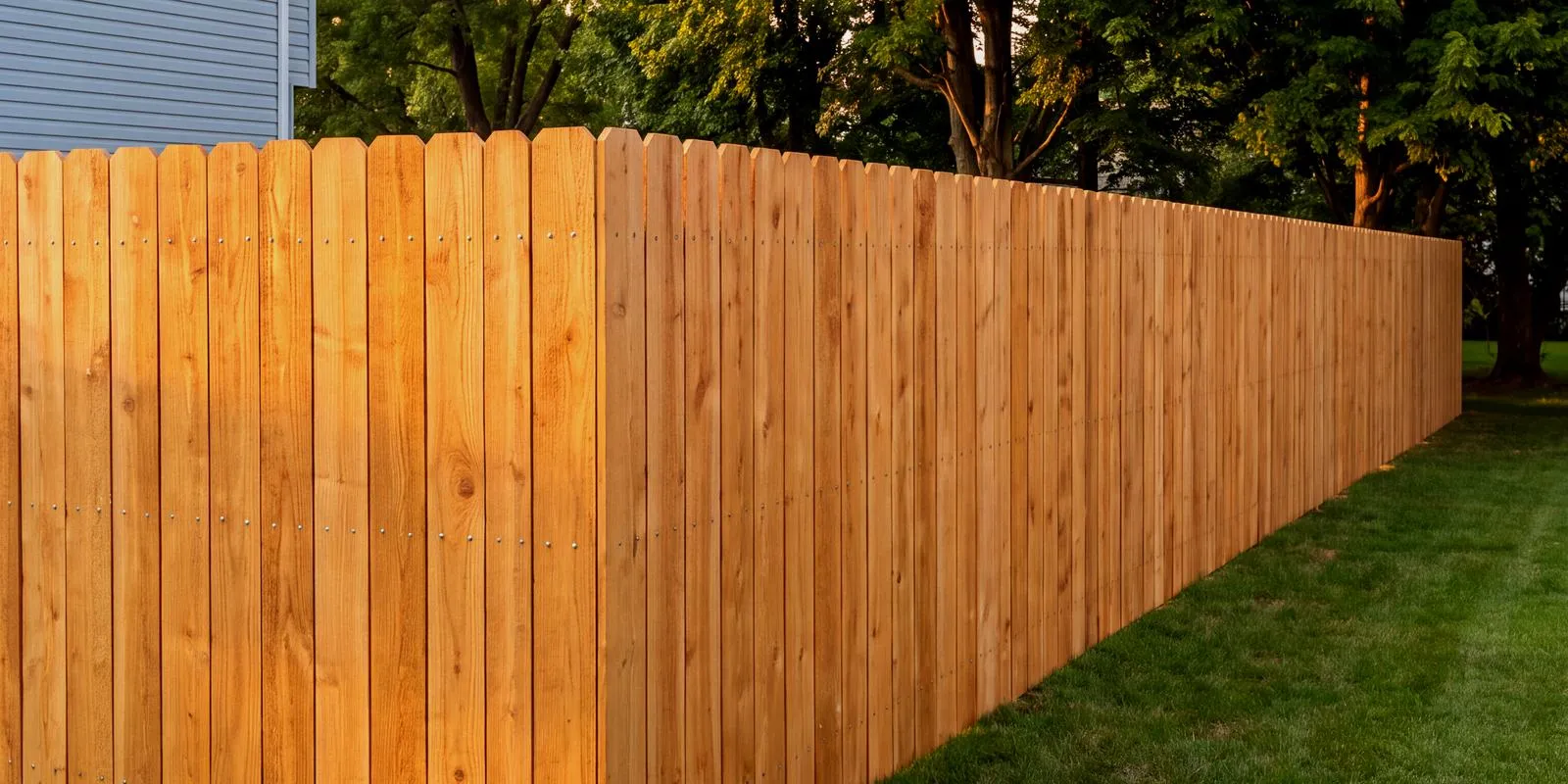
Six-foot dog-ear or board-on-board in western red cedar. The fence most people picture when they say they want a fence, and the one we put in most.
- Western red cedar by default
- Dog-ear or board-on-board
- Posts set 3 ft in concrete
- From $28 per foot
Boards run tight between posts so there is nothing to see through. The two common builds are dog-ear and board-on-board.
Dog-ear is the standard: the top corners of each picket are clipped off and the boards are butted against each other. Board-on-board overlaps every picket over its neighbour, so the fence stays solid after the wood shrinks through its first summer, and it looks the same from your side and theirs. It uses noticeably more cedar, so it costs more per foot.
We run western red cedar unless you ask for something else. Green treated pine is cheaper and we will price it if you want the comparison — it moves more as it dries and it takes a stain less evenly. Whichever one you pick gets written on the estimate by name, so there is no question later about what went in.
Heights and gates
- 6 ft is the usual privacy height and what most people mean by a privacy fence
- 4 ft suits a front yard or a spot where a township or an HOA caps the height
- Walk gates are normally 3 to 4 ft wide, braced diagonally so they do not sag
- Double drive gates for a trailer or a mower, with a drop rod into the ground
- Self-closing, self-latching hinges on any gate that encloses a pool
Height limits and setbacks vary by township, and a few require a permit before a fence goes in. Ask us at the estimate and we will tell you what we know about your municipality — confirm the specifics with them before we schedule.
What moves the price
- Board-on-board instead of dog-ear, because of the extra cedar
- Every gate, priced individually — gates are the most expensive foot of any fence
- Tearing out and hauling off the fence that is there now
- Slope: a run can be stepped down in sections or racked to follow the grade
- Rock, tree roots and hard digging on the post line
- Corners, ends and short runs, which need more posts per foot than a long straight line
Cedar is also a commodity, so the per-foot number moves with lumber pricing. What we quote you is held for 30 days.
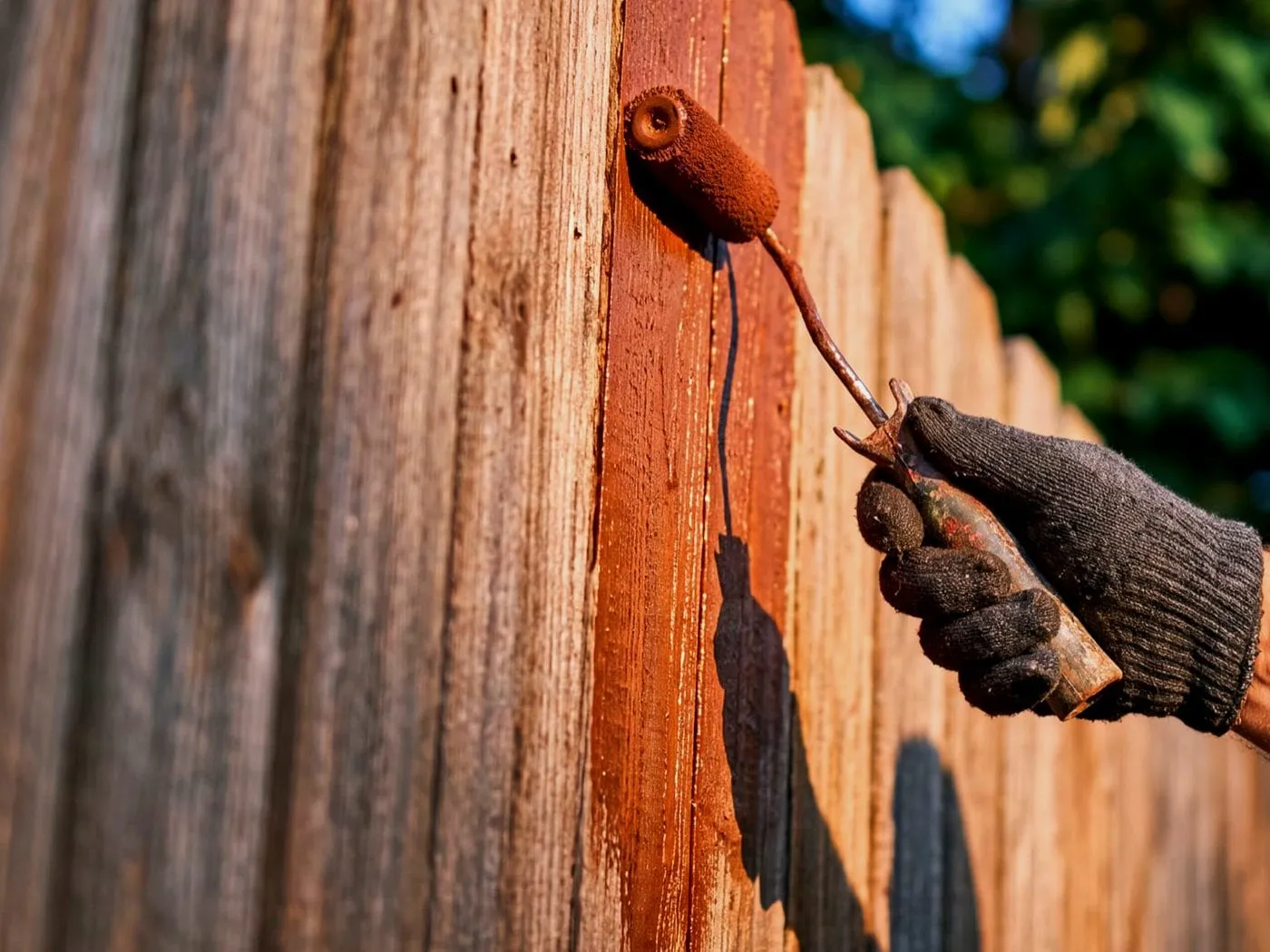
Left alone, cedar weathers from red-brown to silver-grey, usually inside the first year or two. That is the wood doing what cedar does, not a defect, and plenty of people prefer it.
If you want to keep the colour, it wants a stain or a sealer, re-done every few years depending on how much sun and weather that side of the yard takes. Wait until the fence has dried out before the first coat rather than staining it the week it goes in.
Cedar is naturally resistant to rot and insects, which is the reason it is worth more than pine. The posts are the part that decides how long the fence stands, and that comes down to how they were set — 3 feet down, in concrete, below the frost line. Ask us at the estimate what we expect out of the build we are quoting you.
Not sure cedar is the right call?
Vinyl gives you the same privacy with no staining, for more money up front. Compare the six side by side, or just have us look at the yard.
Get the cedar number before you decide.
Free on-site estimate, usually the same week. We measure the run, count the gates and put dog-ear and board-on-board on the same sheet so you can see the gap.
Rather talk? (814) 555-0143
Free estimate
We don't sell your information. One call to schedule, and that's it.